Boundaries That Stand Against Prairie Winds
Fence Installation in Amarillo for properties requiring wind-resistant post setting and secure perimeter definition
High plains wind loads demand deeper post holes and proper bracing that keeps fence lines upright through sustained gusts and sudden storms, while seasonal demand peaks in summer and fall when homeowners prioritize outdoor projects before winter weather arrives. Straight Edge Siding installs wood, vinyl, metal, and chain link fencing across Amarillo, Pampa, White Deer, Panhandle, Perryton, and smaller surrounding towns, with the owner actively installing fences and managing seasonal workflow to maintain quality during high-demand periods. This bread-and-butter service begins with site assessment to identify underground utilities, property lines, drainage patterns, and soil conditions that affect post-setting depth and technique.
Post hole digging uses equipment sized to the project scope and soil type, reaching depths that prevent frost heave during winter freeze-thaw cycles and provide stability against wind pressure on fence panels. Material selection between wood, vinyl, metal, and chain link depends on your priorities for privacy, visibility, maintenance requirements, and budget constraints.
Schedule a property assessment to identify specific site challenges and receive material recommendations based on your fencing objectives.
What Secure Installation Requires in Wind-Prone Areas
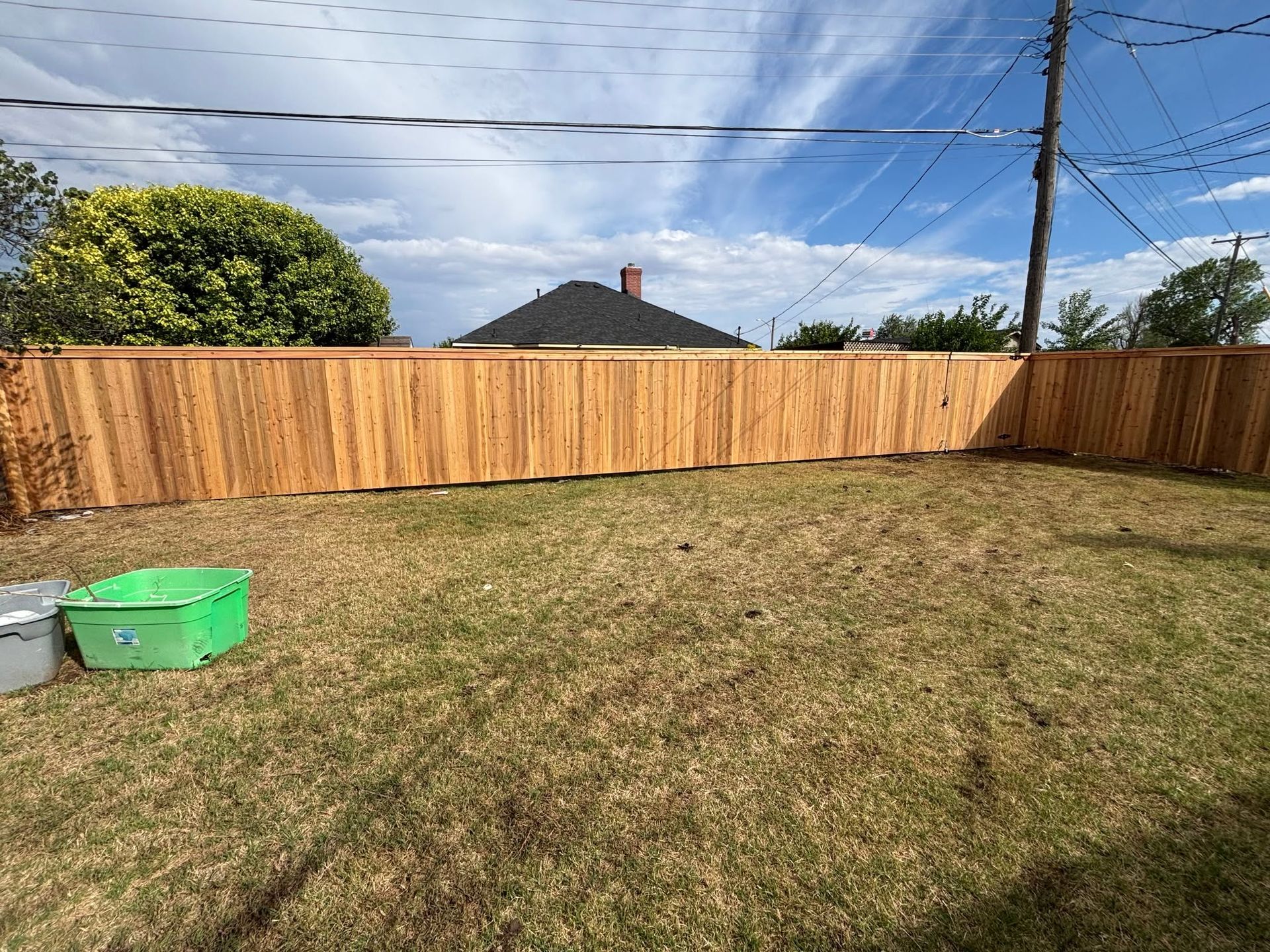
Post setting involves tamping soil or pouring concrete around each post to create rigid anchoring that resists the lateral forces wind applies to fence panels. Panel or board installation follows once posts cure, with fasteners positioned to allow slight movement without loosening over time as the fence experiences temperature swings and wind loading.
Once installation is complete, you notice that the fence line remains plumb and straight even during high winds, gates swing smoothly without sagging, and the perimeter provides the privacy or visibility you specified based on material choice. Finishing includes removing excavated soil, leveling disturbed ground, and ensuring gates latch securely with hardware that won't corrode in the Panhandle's variable moisture conditions.
Winter represents the slow season for fencing work as frozen ground complicates post setting and cold temperatures make some materials brittle during installation. Summer and fall demand remains high as property owners complete outdoor improvements before weather turns, so scheduling ahead ensures availability during preferred timeframes.
Questions Property Owners Ask Before Installation
Homeowners throughout the Amarillo area typically want clarity on material durability, post-setting depth, and seasonal timing before committing to fence installation projects.
How deep do fence posts need to be in Amarillo to resist wind?
Posts should extend at least one-third of the total fence height below ground, often deeper in sandy soil or areas with particularly high wind exposure, to prevent the fence from leaning or collapsing during storms.
What fence material requires the least maintenance?
Vinyl and metal require no painting or staining and resist rot, though vinyl can become brittle over many years of UV exposure and metal may develop surface rust if the finish is scratched or worn through.
Why does soil type matter for fence installation?
Clay soil holds posts more securely than sandy soil but is harder to dig and more prone to frost heave, while rocky soil requires specialized equipment and may limit achievable post depth.
How long does a typical fence installation take?
A straightforward residential perimeter fence often takes two to four days depending on linear footage, soil conditions, material type, and the number of gates required.
What's the difference between setting posts in concrete versus tamped soil?
Concrete provides maximum stability and is recommended for gates and corners, while tamped soil allows easier future adjustments but may not hold as firmly in loose or sandy ground subjected to high wind loads.
Straight Edge Siding discusses material options and site-specific installation requirements during initial consultations, ensuring you understand how soil conditions and wind exposure affect both cost and construction approach. Request an estimate that includes material comparisons, post-setting methods, and installation timelines based on current seasonal demand.