
Protection Built for Panhandle Weather Extremes
Siding Installation in Amarillo for homes exposed to freeze-thaw cycles and high plains wind damage
Straight Edge Siding installs new siding systems for homes across Amarillo and the surrounding Panhandle using vinyl, metal, and fiber cement materials. When your home faces the region's harsh freeze-thaw cycles and relentless wind exposure, material selection and installation technique determine whether your siding lasts decades or fails within seasons. The owner manages every project directly, working with a small crew of five to maintain hands-on quality control from material delivery through final inspection.
Full-system installation involves more than fastening panels to your walls—proper flashing placement prevents moisture from penetrating behind the siding during driving rainstorms, while fastening techniques account for the high wind loads common across the high plains. Material choice drives how well your home handles temperature swings that can exceed sixty degrees between winter nights and summer afternoons.
Schedule a property evaluation to assess which siding material suits your home's specific exposure and structural requirements.
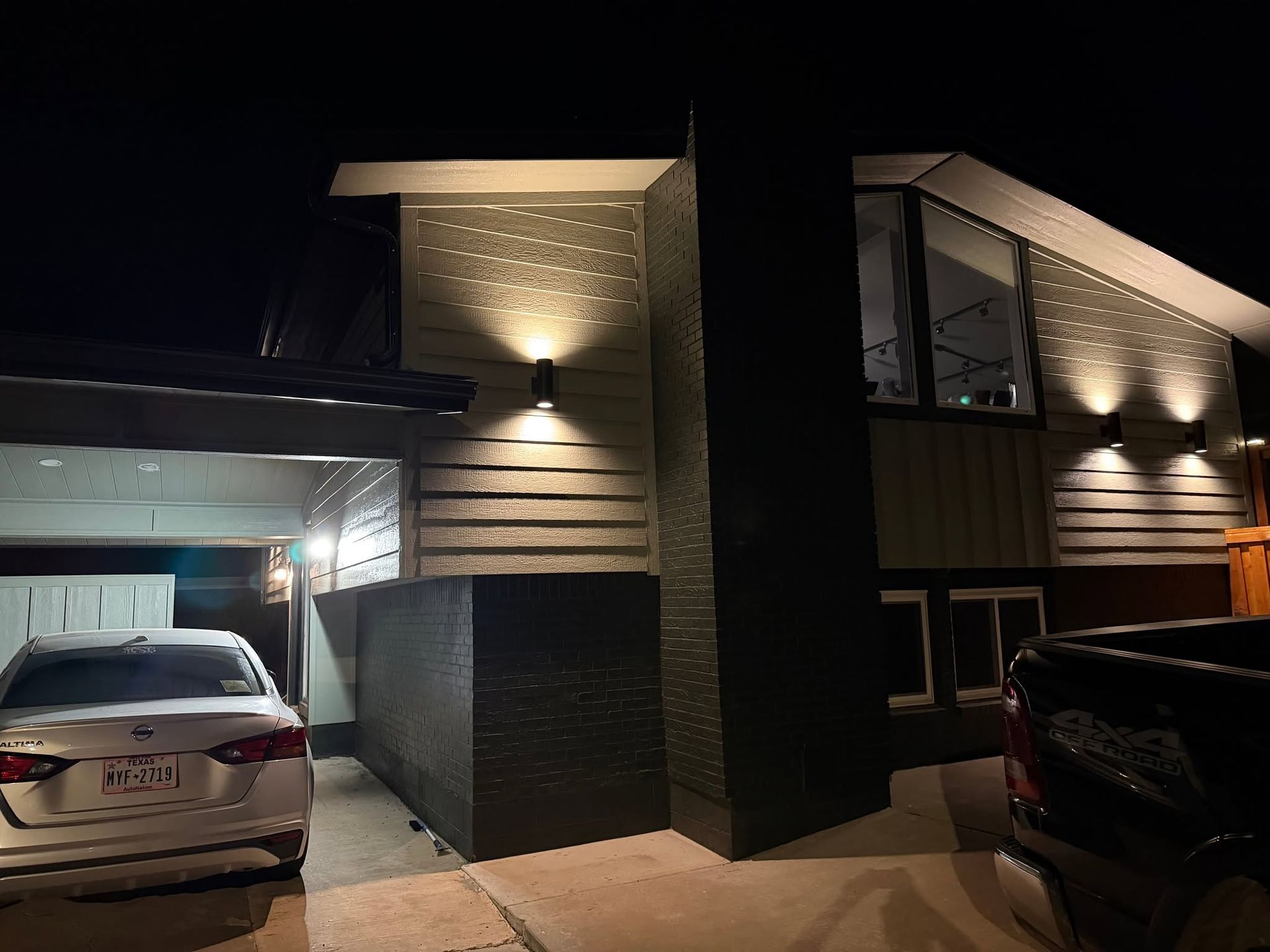
What Proper Installation Requires in High Plains Conditions
The installation process begins with removing old siding if present, then inspecting the substrate for rot or structural damage that could compromise the new system. Each material—vinyl, metal, or fiber cement—demands specific fastening approaches that allow for thermal expansion and contraction without buckling or cracking when temperatures shift dramatically overnight.
Once the work is complete, you notice that wind no longer rattles loose panels during storms, moisture stops infiltrating around windows and doors, and your heating costs drop because the new siding creates a continuous thermal barrier. Straight Edge Siding ensures that flashing around every penetration—vents, lights, outlets—is sealed against the weather conditions that make the Panhandle so demanding on exterior building materials.
The crew removes all waste materials and old siding from your property, leaving only the finished installation. Choosing between vinyl, metal, and fiber cement depends on your budget, desired longevity, and how much maintenance you're willing to perform over the coming decades.
What Homeowners Ask Before Installation Starts
Homeowners throughout the Amarillo area often want clarity on material performance, installation details, and how local weather affects their choices before committing to a siding project.
What makes one siding material better than another for Panhandle weather?
Metal siding resists hail impact and extreme wind better than vinyl, while fiber cement handles freeze-thaw cycles without cracking, but each material requires different fastening techniques and comes with distinct cost and maintenance trade-offs.
How does freeze-thaw damage happen to siding?
When moisture enters small cracks or gaps, it expands as it freezes overnight, then contracts during the day, gradually widening openings and allowing water to reach the substrate beneath.
What happens if flashing isn't installed correctly?
Water enters behind the siding during wind-driven rain, soaking insulation and framing, which leads to rot, mold growth, and structural damage that costs far more to repair than the original installation.
Why does proper fastening matter for wind resistance?
Siding panels must be secured tightly enough to resist uplift from wind gusts but loosely enough to move slightly as the material expands and contracts with temperature changes.
How do I know if my substrate needs repair before new siding goes on?
The crew inspects sheathing during tear-off for soft spots, discoloration, or visible rot, replacing damaged sections before installing the new siding system to prevent future failure.
Straight Edge Siding provides material comparisons based on your home's orientation, exposure to prevailing winds, and long-term maintenance preferences. Request a detailed estimate that includes material options, substrate preparation requirements, and installation timelines specific to your property.