
Durable Facades for Freeze-Thaw Conditions
Stucco in Amarillo for homes experiencing cracking from winter weather cycles and summer heat stress
Freeze-thaw cracking is the most common stucco failure pattern in the Panhandle, occurring when moisture enters small surface cracks and expands during winter freezes, widening the damage with each seasonal cycle. Straight Edge Siding, Fencing & Decks provides stucco installation and repair across Amarillo, Pampa, White Deer, Panhandle, and Perryton, addressing both new applications and existing damage from high plains weather stress. Homeowners need this service when hairline cracks have widened enough to allow visible gaps, when sections have separated from underlying lath or substrate, or when water staining appears around damaged areas indicating moisture penetration behind the facade.
Stucco application involves proper substrate preparation including weather-resistant barriers and metal lath attachment, mixing stucco to correct consistency for local humidity conditions, and applying multiple coats with adequate cure time between layers. Repair work requires assessing whether damage is limited to the surface coat or has compromised the brown coat and lath beneath, since surface patching over structural damage only hides problems temporarily.
Request an inspection to evaluate existing stucco damage and determine whether repairs or full replacement best address your home's specific conditions.
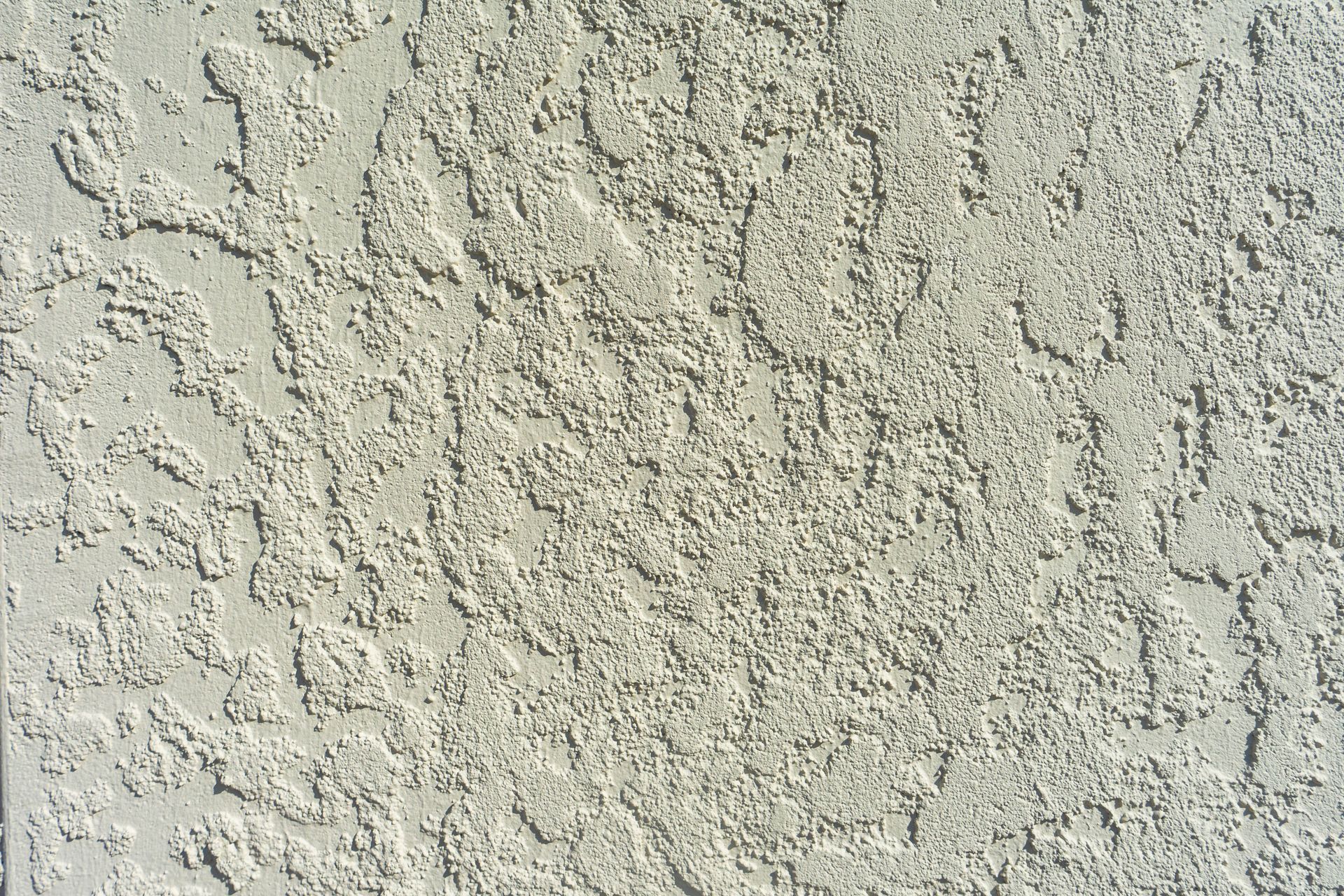
How Stucco Responds to Panhandle Weather Patterns
Stucco durability depends on proper mixing ratios and application timing, since material that is too wet shrinks excessively as it cures and creates cracking, while overly dry mix does not bond adequately to the substrate or between coats. Each layer must cure sufficiently before the next coat applies, but not so long that the surface dries completely and prevents proper bonding. Temperature and humidity during application affect cure rates, so application timing adjusts based on seasonal conditions to avoid applying during temperature extremes or high wind that accelerates surface drying.
After stucco installation or repair completes, the surface appears uniform in texture and color without visible patch lines or inconsistent finish patterns. Properly applied stucco sheds water rather than absorbing it, preventing the moisture penetration that drives freeze-thaw damage. Repaired sections integrate with surrounding material without creating raised or recessed areas that catch water or stand out visually. The facade resists cracking at stress points like window and door corners where substrate movement concentrates.
Stucco work includes surface preparation, multiple coat applications, and finish texturing, but does not address underlying structural issues with wall framing or sheathing that may contribute to cracking patterns. Weather-resistant barriers installed behind stucco prevent water intrusion even if surface cracks develop, providing a backup drainage plane that protects wall cavities. Expansion joints placed at appropriate intervals allow controlled movement during temperature changes rather than forcing stress into random crack locations.
Questions About Stucco Installation and Repair
Property owners across Amarillo and surrounding Panhandle towns ask about stucco performance in local climate conditions that create specific failure patterns.
What causes stucco to crack during Amarillo winters?
Moisture entering small surface imperfections expands when frozen, widening cracks with each freeze-thaw cycle throughout the winter. High plains winters create dozens of freeze-thaw events as temperatures swing above and below freezing, accelerating damage compared to regions with more stable cold periods.
How is stucco repair different from initial installation?
Repair work must match existing texture and color while bonding new material to old, requiring assessment of whether underlying coats remain sound or need replacement. Surface-only patching fails if brown coat or lath beneath has separated from the substrate, so repair scope depends on damage depth.
When should existing stucco be repaired versus fully replaced?
Isolated cracks with sound surrounding material justify repair, but widespread cracking or areas where stucco has separated from the wall indicate systemic failure that makes replacement more practical. Inspection reveals whether damage is localized or structural.
Why does stucco texture matter beyond appearance?
Smooth finishes show imperfections and patch repairs more visibly than textured surfaces, and certain textures shed water more effectively by preventing flat areas where moisture can pool. Texture also affects how the surface responds to thermal expansion by distributing stress across an irregular plane rather than a flat one.
What maintenance does stucco require in Panhandle climate?
Annual inspection identifies small cracks before freeze-thaw cycles widen them into major damage, and sealing cracks promptly prevents moisture intrusion. Periodic repainting refreshes appearance and provides an additional weather barrier, though properly applied stucco itself requires minimal maintenance beyond crack monitoring.
Stucco installation and repair by Straight Edge Siding, Fencing & Decks addresses application techniques and damage assessment specific to high plains freeze-thaw conditions. Contact us to discuss your property's stucco needs and schedule a damage evaluation.