
Worn Siding That No Longer Protects
Siding replacement in Pampa for homes where panel damage, warping, or moisture penetration has compromised the exterior system.
Panhandle conditions put exterior siding under sustained stress year after year—hail impacts, temperature swings from summer heat into hard winter freezes, and wind-driven debris all work against siding panels over time. Straight Edge Siding, Fencing & Decks replaces deteriorated siding systems for homes across Pampa and surrounding communities when repair is no longer the practical path forward. When panels begin cupping, pulling away from fasteners, or showing visible gaps at seams, moisture infiltration follows quickly—replacing the full system stops that progression before it reaches the wall structure beneath.
A full replacement starts with removing existing panels and inspecting the substrate underneath. That inspection step matters because siding that looks surface-damaged from the outside sometimes conceals moisture intrusion that's already reached the sheathing or framing behind it. Straight Edge evaluates substrate condition and addresses any findings before new material goes on, using weather-sealed fastening methods suited to the chosen material—vinyl, metal, or fiber cement—with proper flashing to direct water away from the wall system.
Request a property walkthrough to assess current siding condition and identify the replacement scope that fits your home.
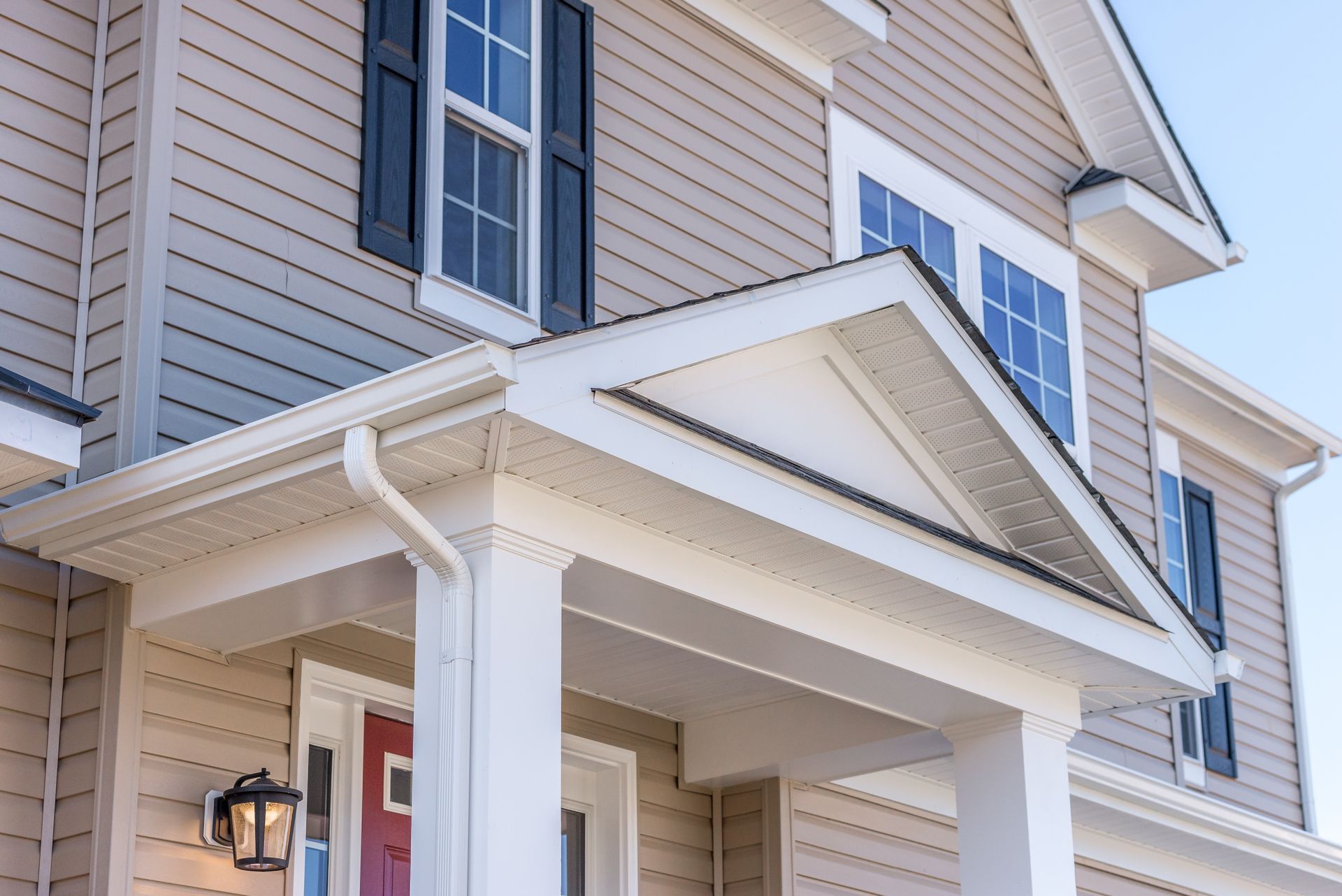
What Proper Siding Replacement Requires
Replacement decisions in the Panhandle often come down to cumulative damage rather than a single event. Freeze-thaw cycling works at fasteners and seams across many seasons; hail leaves impacts that compromise panel integrity even when surface damage looks minor from the ground. When multiple panels show failure across different elevations or sides of the home, full replacement typically provides better long-term performance than continued panel-by-panel repair.
After new siding is installed, the visible difference goes beyond appearance. Gaps at corners and seams close up, trim lines sit flush, and the exterior no longer shows the irregular coloration that comes from repaired sections that couldn't be matched to original material. Material selection—vinyl, metal, or fiber cement—is based on the specific performance demands of the site and the homeowner's priorities around maintenance and longevity.
Waste removal is included in the scope. Old panels, fasteners, and trim leave the property when the crew finishes, and material options are discussed upfront so cost factors are clear before work begins.
What Homeowners Usually Ask First
Panhandle homeowners facing siding replacement often have practical questions about timing, materials, and what the process actually involves. Here are the ones that come up most often.
What tells me replacement is better than repair?
When damage spans multiple elevations or when color matching for partial repairs isn't achievable, replacement typically produces better results than continued patching across a deteriorated system.
How does material selection affect the process?
Vinyl, metal, and fiber cement each have different fastening requirements, thermal expansion characteristics, and maintenance expectations—the material choice shapes how the installation is done, not just what it looks like afterward.
What happens to the old siding?
Straight Edge removes all existing panels and disposes of them as part of the replacement scope—no material is left on the property.
Why does substrate inspection matter?
Panhandle freeze-thaw cycles and wind-driven moisture can work behind panels over time; finding and addressing any sheathing issues before new siding goes on prevents the same problems from repeating.
When is the right time to schedule?
Fall is a practical window in the Pampa area—material handling conditions are favorable, and finishing before winter positions the home ahead of the harshest months.
Straight Edge Siding, Fencing & Decks handles replacement projects across Pampa with direct owner oversight on every job. Request an on-site assessment to get a clear picture of what your home's exterior requires and what a full replacement would involve.